Introduction To The Pan And Instructions For Use
Aug 01, 2021
Brief introduction
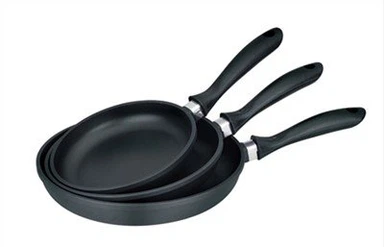
A pan is an iron pan that is used to cook food, about 20 to 30 cm in diameter, with a low side and tilted outwards. Now manufacturers generally use lighter aluminum as a manufacturing material. The pan is suitable for baking, baking, steaming, roasting or frying seafood, meat and poultry, cooking vegetables or healthy snacks that are easy to pick up with your fingers. Easy to use and can cook a wide variety of dishes in just a few minutes.
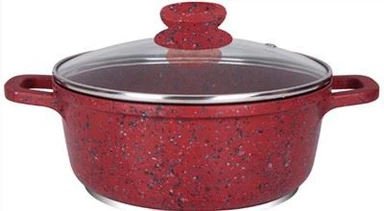
Ordinary pan generally only a transparent or opaque lid, there are currently manufacturers to introduce the application of the principle of pressure cooker design of a new two-sided boiling pan, the product is equipped with an original frog oxygen gasket and a touch key magnetic lock device. Manufacturers promote its pot structure using three layers of blast ceramic non-stick bottom outer layer (previously more Teflon coating, not recommended for safety reasons), but also radiation far infrared, to ensure that the cooking process is orderly; Can cook any food - Thanks to its unique three-layer blast ceramic non-stick outer layer, you can cook any food, including meat and even hard-shelled seafood such as crabs, shrimps, mussels, clams and more.
Instructions for use
1. When using the pan for the first time, wash the body with mild detergent and water, then dry it with a soft cloth. Do not use corrosive detergents or any rough metal scrubbers or rags to avoid scratching the non-stick bottom surface of the pot.
2. To keep the new pan in its best spare state, apply oil throughout the pan, then heat the pan over a small heat and wipe it away. Once wiped, it can be enabled.
3. When first used, there may be a small amount of smoke and smell, which is normal.
4. When cooking in this pan, make sure that there are no obstacles around the cooking area to avoid getting in the way of flipping the pan.
5. Always make sure there is no residue in the grease drop tray to avoid accidentally spilling when flipping the pan.
6. Always make sure that neither the inside or outside of the exhaust port is blocked.
7. Each time you flip the pan, make sure that it is properly sealed and locked.
8. This pot is made of excellent thermal material, so there is no need to use a fire when cooking, just a small flame.
9. Always place the pan firmly in the middle of the stove and do not tilt it to one side.
10. When flipping the pan, turn the pan at a slightly tilted angle to prevent the fluid from spilling out of the exhaust port.